
Launching a new venture is one of the most effective pathways toward financial independence, professional growth, and strategic career control. However, for aspiring entrepreneurs, identifying a viable business model and executing the initial launch can feel overwhelming.
The good news is that launching a successful enterprise no longer requires vast capital reserves. With strategic planning, disciplined market research, and consistent execution, beginners can establish high-margin lean operations and scale them sustainably over time.
Below, we explore 10 practical, low-barrier business ideas suitable for beginners, followed by the core steps needed to launch successfully.
High-Potential Business Ideas for Beginners
1. High-Skill Freelancing Services
Freelancing offers one of the lowest-risk entry points into service-based entrepreneurship. If you possess specialized expertise—such as graphic design, copywriting, video post-production, web development, or search engine optimization—you can market those capabilities directly to commercial clients.
- Key Strategy: Start by building a concise portfolio showcasing real-world client outcomes or mock case studies to establish domain credibility.
2. Online Tutoring & Specialized Education
The global e-learning market continues to expand rapidly. Leveraging deep subject matter knowledge—whether in academic disciplines, corporate skill training, coding, or foreign languages—allows you to structure private tutoring or cohort-based programs online.
- Key Strategy: Develop structured curriculum modules and deliver them via high-quality video conferencing platforms to deliver a premium learning experience.
3. E-Commerce & Direct-to-Consumer (D2C) Retail
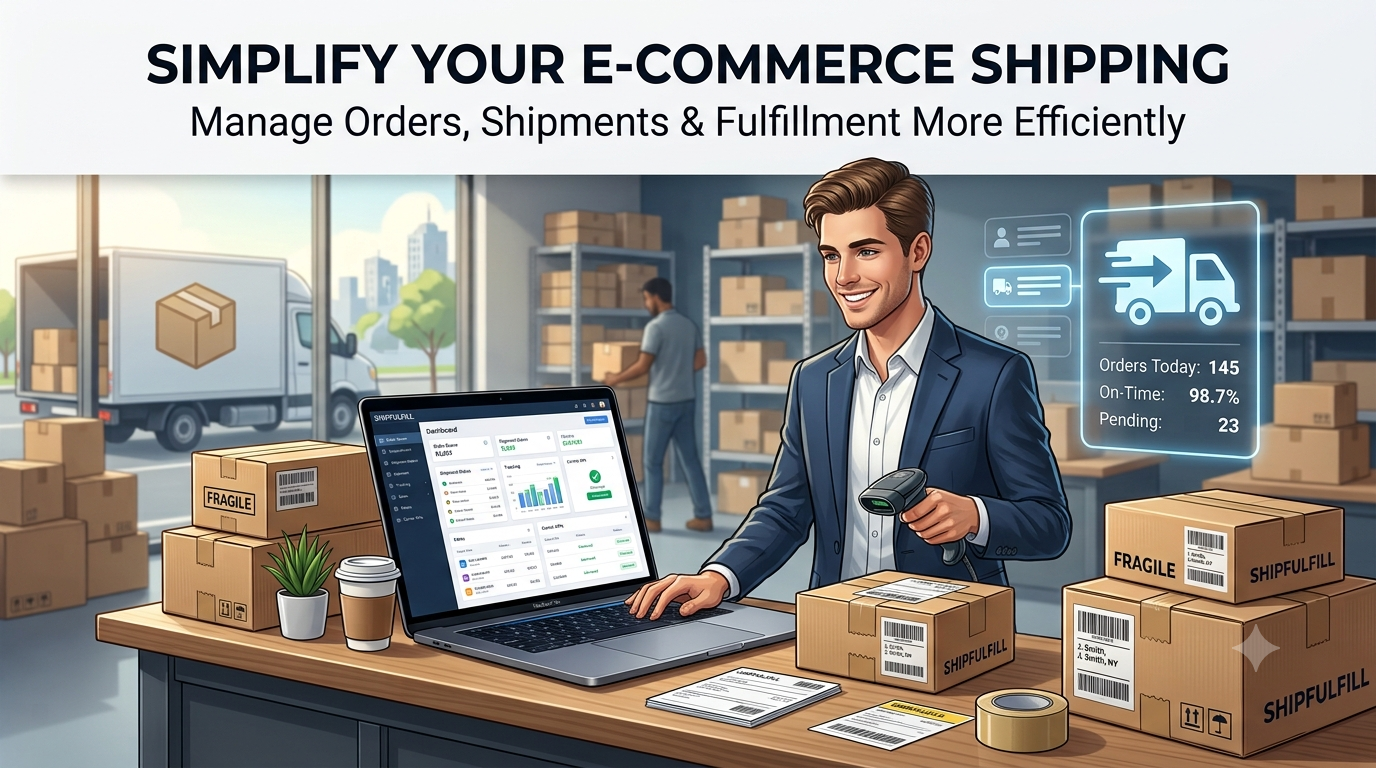
Launching an online store enables entrepreneurs to distribute physical or digital merchandise globally. Models range from private-label physical products to print-on-demand goods and curated inventory.
- Key Strategy: Prioritize thorough market validation and competitor analysis. Identifying underserved micro-niches before product sourcing reduces inventory risk.
4. Digital Product Creation
Digital assets—such as educational e-books, downloadable templates, digital planners, design kits, and pre-recorded video courses—offer high profit margins. The primary advantage of this business model lies in its scalability: create the product once, and sell it indefinitely with minimal overhead.
- Key Strategy: Focus heavily on solving a specific, high-friction pain point for your targeted audience.
5. Social Media Management & Marketing
Small and medium-sized enterprises (SMEs) frequently lack the internal bandwidth or technical knowledge to manage their digital presence effectively. If you understand algorithm dynamics, audience engagement, and strategic media planning across platforms like LinkedIn, Instagram, TikTok, and Meta, you can manage these assets as an outsourced partner.
- Key Strategy: Offer bundled retainers that combine content creation, community engagement, and performance analytics reporting.
6. Media Creation & Brand Publishing
Building a media brand—through video production, podcasting, or industry review channels—can turn into a highly lucrative enterprise. While audience growth requires patience, monetizing via brand sponsorships, affiliate channels, and exclusive memberships creates recurring revenue streams.
- Key Strategy: Maintain a consistent publishing schedule and prioritize high production value and editorial integrity.
7. Media & Commercial Photography Production
With the demand for visual content higher than ever, high-quality photography and videography remain essential business investments. Service offerings include corporate headshots, brand promotional assets, real estate media, and event coverage.
- Key Strategy: Curate a focused online portfolio highlighting your core niche style and turn clients into advocates through exceptional service delivery.
8. Essential Local Services
Digital businesses get a lot of attention, but local service-based enterprises remain consistently profitable. Ventures such as commercial cleaning, residential maintenance, specialized logistics, and eco-friendly landscaping require minimal technical setup but yield reliable cash flow.
- Key Strategy: Focus on operational punctuality, transparent pricing, and generating local customer reviews to build word-of-mouth momentum.
9. Professional Advisory & Consulting
If you have a proven track record in fields like marketing, operations, finance, or corporate management, you can translate that experience into a strategic advisory practice. Organizations regularly hire consultants to diagnose systemic bottlenecks and implement high-level solutions.
- Key Strategy: Frame your advisory services around business metrics like measurable return on investment (ROI), efficiency gains, or cost reductions.
10. Niche Publishing & Content Websites
Building an authoritative content website around a defined vertical—such as personal finance, emerging tech, educational guides, or sustainable living—is a long-term enterprise strategy. When optimized effectively, these platforms generate passive revenue through programmatic advertising, affiliate partnerships, and sponsored publications.
Key Strategy: Implement robust Search Engine Optimization (SEO) strategies, publish in-depth research, and build domain authority consistently over time.